
"LA CAF"
600 article(s) found

Costa Rican coffee beans introduce the origin of Costa Rican coffee beans
High-quality Costa Rican coffee is called extra hard beans, and this kind of coffee can grow at an altitude of more than 1500 meters. Altitude has always been a problem for coffee growers. The higher the altitude, the better the coffee beans, not only because the higher altitude can increase the acidity of the coffee beans and thus increase the flavor, but also because the night temperature at the higher altitude is lower, which can make the trees grow slowly.

The Origin of Kaddura Variety Caturra Flavor expression and characteristics of Kaddura Coffee
For professional baristas, please follow the coffee workshop (Wechat official account cafe_style) Variedad encontrada en Minas Gerais, Brasil, posiblemente originada como una mutacin de un gene dominante del caf Bourbon. The Kaddura variety was found in the Brazilian state of Minas Gerais and may have originated from a variety like Bourbon.

Introduction of six major producing areas of coffee beans in El Salvador
Following caf é (Wechat official account vdailycom) found that Saguo Coffee has opened a small shop of its own. Saguo Coffee has six major producing areas, generally distributed on the volcanic ash-covered mountain slopes or plateau areas at an altitude of 1200 meters above sea level. The harvest and harvest season is from November to April of the following year. As coffee prefers a mild climate, most of the coffee trees in Saudi Arabia are planted in tall, sheltered areas.

Coffee flavors from different coffee producing areas around the world
Coffee flavor from different coffee producing areas around the world: Tarrazu in Costa Rica is one of the major coffee producing areas in the world, with a light and pure flavor and pleasant aroma.

Guatemala La Tisa Coffee hand data how to drink La Tisa Manor in Guatemala
For the exchange of professional baristas, please follow the LaTisha of Guatemala made by hand in the coffee workshop (Wechat official account cafe_style). 15g powder, medium grinding (small Fuji ghost tooth cutter 4 grinding), v60 filter cup, 88-89 degrees water temperature, the first water injection 30g water, 27 seconds of steaming, injection to 105g water cut off, wait for the powder bed water to half and then water injection, slow water injection until 225g water

Characteristics of Guatemala la Tisa coffee beans method of drinking coffee at La Tisa Manor, Guatemala
Professional baristas Please pay attention to the Coffee Workshop (Wechat official account cafe_style) Coffee was really introduced to Guatemala in 1750 by Father Jesuit, and the coffee industry was developed by German colonists at the end of the 19th century. Today, most of the coffee industry's production takes place in the south of the country. Guatemala has seven main coffee producing areas: Antigua and Cobain

Costa Rican coffee imprint
Tarrazu in Costa Rica is one of the major coffee producing areas in the world. The coffee produced by Tarasu has a clear and pure flavor and pleasant aroma.

A brief introduction to the treatment method of grinding degree and baking degree of light and pure Costa Rican boutique coffee beans
Coffee is an important economic source of Costa Rica. It was introduced in 1808 and has been cultivated for 200 years. Costa Rica has 1x3 population invested in coffee-related industries. Colombians say that coffee has changed the country and enjoyed a rich environment, and coffee has indeed made an outstanding contribution. Although Costa Rica ranks third from the bottom in terms of land area in Central America, its economic environment is better than that of Central America.

Introduction of La Reis Yaoke Coffee in San Pedro Manor, Puerto Rico
In Spanish, Puerto Rico means the port of wealth. The history of coffee in Puerto Rico dates back to 1736, when coffee seedlings were brought into the country by early Spanish settlers. In the 18th world, sugar cane was the main economic crop, so little attention was paid to it. At the beginning of the 19th century, the French began to move from the Mediterranean island of Corsica because of European politics.

Introduction to the characteristics of the manor producing area of Puerto Rico boutique coffee beans
Yaoke Yauco is an area of 176.5 square kilometers in southern Poland, named for its production of Tainos, but local residents prefer to call themselves la Ciudad del Caf (Coffee City) and la Capital Tana (Tainos Center). In the 1860s, immigrants from Corsican improved the cultivation of coffee and pioneered the application of flower stickers to the removal of coffee.

Costa Rica of 53 Coffee Origin in the World
Costa Rica, with its fertile volcanic soil and good drainage, is the first country in Central America to grow coffee and bananas for commercial value. Coffee and bananas are the country's main exports. Coffee was introduced into Costa Rica from Cuba in 1729 and today its coffee industry is one of the most well-organized industries in the world with a yield of 1700 kg per hectare. Goss.

Costa Rica Yellow Honey Coffee Bean Flavor Description Grind Scale Variety Taste Treatment Introduction
Coffee was introduced to Costa Rica from Cuba in 1729, and today its coffee industry is one of the most well-organized in the world, producing up to 1700 kilograms per hectare. Costa Rica has 400 million coffee trees among a population of 3.5 million, and coffee accounts for 25 percent of the country's exports

Puerto Rico Coffee Estate Introduction San Pedro Estate Puerto Rico Coffee Estate
Yauco is an area of 176.5 square kilometers in southern Poland, named after the production of Tainos, but local residents prefer to call themselves la Ciudad del Caf (City of Coffee) and la Capital Tana (Center of Tainos). In the 1960s, immigrants from Corsican improved coffee growing conditions and pioneered the application of the flower machine to coffee removal.

Characteristics of Costa Rican coffee the culture of Costa Rican coffee
Costa Rican coffee is called extra hard beans, and this kind of coffee can grow at an altitude of more than 1500 meters. Altitude has always been a problem for coffee growers. The higher the altitude, the better the coffee beans, not only because the higher altitude can increase the acidity of the coffee beans and thus increase the flavor, but also because the night temperature at the higher altitude is lower, which makes the trees grow slowly, thus making the coffee.

Turrialba Manor Duli Alba, Costa Rica
The high-quality Costa Rican coffee at Turrialba Manor Duli Alba, Costa Rica, is called extra hard beans, and this kind of coffee can grow above 1500 meters above sea level. Altitude has always been a problem for coffee growers. The higher the altitude, the better the coffee beans, not only because the higher altitude can increase the acidity of coffee beans and thus increase the flavor, but also because of the higher altitude.
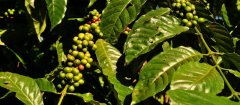
Costa Rican coffee has full granules, ideal acidity and unique strong flavor.
High-quality Costa Rican coffee is called extra hard beans, and this kind of coffee can grow at an altitude of more than 1500 meters. Altitude has always been a problem for coffee growers. The higher the altitude, the better the coffee beans, not only because the higher altitude can increase the acidity of the coffee beans and thus increase the flavor, but also because the night temperature at the higher altitude is lower, the trees can grow slowly.
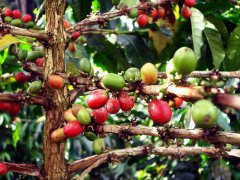
High-quality Costa Rican coffee is called "extra hard beans".
High-quality Costa Rican coffee is called extra hard beans, and this kind of coffee can grow at an altitude of more than 1500 meters. Altitude has always been a problem for coffee growers. The higher the altitude, the better the coffee beans, not only because the higher altitude can increase the acidity of the coffee beans and thus increase the flavor, but also because the night temperature at the higher altitude is lower, which can make the trees grow slowly.

Introduction of boutique Costa Rican coffee the characteristics of Costa Rican coffee
High-quality Costa Rican coffee is called extra hard beans, and this kind of coffee can grow at an altitude of more than 1500 meters. Altitude has always been a problem for coffee growers. The higher the altitude, the better the coffee beans, not only because the higher altitude can increase the acidity of the coffee beans and thus increase the flavor, but also because the night temperature at the higher altitude is lower, which can make the trees grow slowly.

Introduction of Costa Rican coffee beans characteristics of Costa Rican coffee beans
Costa Rican coffee is called extra hard beans, and this kind of coffee can grow at an altitude of more than 1500 meters. Altitude has always been a problem for coffee growers. The higher the altitude, the better the coffee beans, not only because the higher altitude can increase the acidity of the coffee beans and thus increase the flavor, but also because the night temperature at the higher altitude is lower, which makes the trees grow slowly, thus making the coffee.

Introduction to La Azotea Manor Azteia, Guatemala. How to make Azteia Coffee in Guatemala
Professional Coffee knowledge Exchange more information about coffee beans Please follow the Coffee Workshop (official Wechat account cafe_style) La Azotea Jocotenango outside a huge Guatemalan coffee plantation with three museum complexes. The museum's coffee shop covers the history and process of coffee cultivation; Casa K ojom has an exquisite collection of traditional Mayan instruments and masks